

Restoring historic commercial buildings after a fire in Denver requires meticulous Commercial Fire Restoration Denver assessment, addressing smoke/water damage, structural integrity, asbestos/lead hazards, and preservation of unique architectural features while ensuring worker and community safety, balancing historical integrity with modern fire safety standards. Choosing experienced specialists with knowledge of local guidelines is vital for successful revitalization.
Restoring historic commercial buildings after a fire is not merely about rebuilding—it’s about preserving pieces of Denver’s past while seamlessly integrating them into the present. Commercial Fire Restoration Denver presents a unique challenge, demanding meticulous attention to detail, adherence to historical preservation guidelines, and state-of-the-art restoration techniques. At its core, this process involves expertly navigating the intricate balance between respecting architectural heritage and incorporating modern amenities, ensuring these landmarks thrive in today’s bustling cityscape. This article delves into the art of Commercial Fire Restoration Denver, exploring strategies that empower experts to revitalize damaged structures while honoring their historic significance.
- Assessing Damage: Commercial Fire Restoration Denver’s Initial Step
- Preservation vs. Replacement: Restoring Historical Integrity
- Revitalization Strategies: Transforming Denver’s Historic Spaces
Assessing Damage: Commercial Fire Restoration Denver’s Initial Step

Restoring historic commercial buildings after a fire requires a meticulous approach, especially in Denver where architectural heritage is invaluable. The initial step in this process involves assessing the damage sustained from the fire and its subsequent cleanup—a critical phase known as Commercial Fire Restoration Denver. This stage sets the foundation for the entire rehabilitation project, influencing decisions on everything from structural repairs to environmental considerations in Disaster Cleanup and Restoration Denver.
Assessing damage requires a comprehensive strategy tailored to each building’s unique character. For instance, determining the extent of smoke and water damage is paramount. Smoke can leave behind not just visible soot but also toxic residues that necessitate specialized cleaning. Water damage, often an unintended consequence of fire suppression efforts, must be meticulously addressed to prevent further deterioration. Professionals in Commercial Fire Restoration Denver carefully inspect for hidden impacts like warped floors or weakened walls, which could compromise the building’s structural integrity.
Environmental considerations play a significant role in these restoration projects, particularly when dealing with historic structures. As Denver fire restoration experts, specialists must adhere to strict guidelines to mitigate environmental hazards. For example, asbestos abatement is crucial due to its prevalence in older buildings. Proper disposal methods are essential to ensure the safety of workers and nearby residents during Cleanup and Restoration Denver projects. Additionally, assessing the potential for lead or other hazardous materials to have been exposed during the fire and subsequent cleanup is vital to prevent long-term health risks.
Preservation vs. Replacement: Restoring Historical Integrity
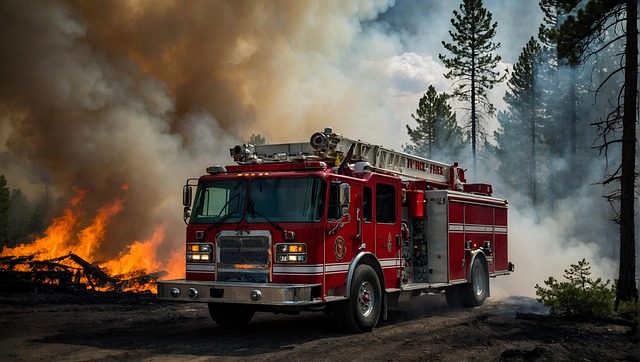
Restoring historic commercial buildings after a fire in Denver presents a delicate balance between preserving historical integrity and functional revitalization. When faced with such challenges, it is paramount to engage Denver fire damage restoration experts who specialize in historical structures. These professionals understand that every element within these old buildings tells a story, necessitating meticulous care during the restoration process.
The decision between preservation and replacement is a critical juncture in any commercial fire restoration project. In historic buildings, replacing damaged or destroyed components might seem like an easier path, but it risks erasing essential parts of a structure’s character. Preservation, on the other hand, demands careful documentation and analysis to determine what elements are original and worthy of retention. For example, an 1890s building in downtown Denver may feature ornate brickwork or stained glass windows that are not only aesthetically significant but also integral to its historical designation. Restoration companies in Denver should work collaboratively with historians and architects to assess these features’ structural soundness and potential for repair, ensuring the building’s historical integrity is maintained.
Water damage restoration techniques play a pivotal role in preserving these historical spaces. Moisture intrusion during a fire can weaken structures and encourage mold growth, posing additional risks. Denver fire restoration companies employ advanced drying methods and water extraction techniques to minimize water damage’s adverse effects. Moreover, they may utilize specialized equipment to monitor and control humidity levels during the restoration process, ensuring that no unseen moisture remains behind. By combining these strategies with meticulous craftsmanship, commercial fire restoration experts in Denver can revitalize damaged buildings while preserving their unique historical features.
Choosing the right company is crucial for a successful restoration. Seek out best-in-class Denver fire restoration companies renowned for their expertise in handling historic properties. These firms should have proven track records, satisfied clients, and a deep understanding of local building codes and historical preservation guidelines. With such professionals at the helm, commercial buildings can be expertly restored, becoming vibrant testaments to their rich history while catering to modern needs.
Revitalization Strategies: Transforming Denver’s Historic Spaces
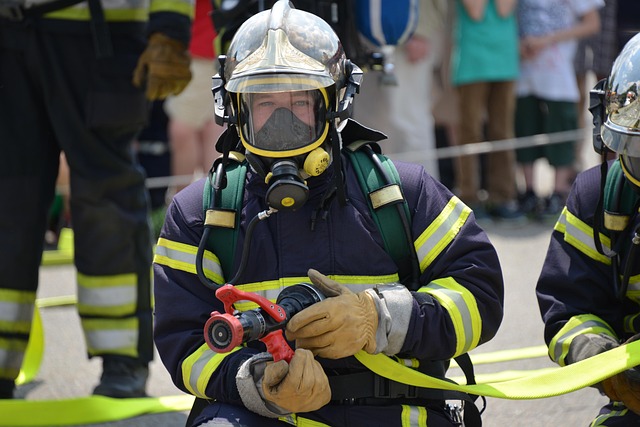
Restoring historic commercial buildings after a fire in Denver is a delicate yet transformative process that requires a deep understanding of both structural integrity and aesthetic preservation. Commercial fire restoration Denver specialists play a pivotal role in reviving these cherished spaces, ensuring they not only stand tall but also embody their rich history. This intricate task involves meticulous crime scene cleanup Denver to remove evidence of the damage while preserving as much original material as possible, fostering a harmonious blend of old and new.
The first step in revitalizing these historical structures is assessing the extent of the fire damage. Denver’s commercial building fire restoration experts employ advanced techniques to evaluate structural stability, identify hazardous materials, and determine the feasibility of salvage. For instance, they might carefully disassemble affected sections to assess internal damage while preserving exterior facades that bear cultural significance. Data from such assessments guides decisions on the most appropriate restoration methods, ensuring both safety and fidelity to the original design.
Practical insights gleaned from years of experience inform these restoration strategies. Techniques like sandblasting can meticulously remove charred surfaces while preserving historic finishes. Repurposing salvaged materials—from reclaimed wood to antique hardware—can infuse new life into old structures, reducing costs and enhancing their unique character. Moreover, incorporating modern fire safety features seamlessly allows these restored buildings to meet contemporary standards without compromising their historical integrity. By balancing preservation with functionality, Denver’s commercial fire restoration experts safeguard the city’s architectural tapestry, ensuring that each revitalized structure stands as a testament to both its past and present.
Restoring historic commercial buildings after a fire in Denver involves a delicate balance between preserving historical integrity and implementing effective revitalization strategies. Key insights from this article highlight the importance of assessing damage meticulously to determine the best course of action, either preserving original elements or replacing them with like materials. Balancing preservation and modernization is crucial for Commercial Fire Restoration Denver projects, ensuring these structures serve new purposes while honoring their past. Moving forward, integrating sustainable practices and innovative design can revitalize historic spaces, making them vibrant hubs once again. By carefully navigating these considerations, Denver can preserve its architectural heritage while fostering a dynamic commercial environment.
Related Resources
Here are 7 authoritative resources for an article about restoring historic commercial buildings after a fire in Denver:
- National Park Service – Preservation Briefs (Government/Educational): [Offers practical guidelines and expert advice on preserving historical structures.] – https://www.nps.gov/tps/preservation-briefs/
- Colorado Historical Society (Community Organization): [Provides resources and support for the preservation of Colorado’s cultural heritage, including historic buildings.] – https://coloradohistory.org/
- U.S. Fire Administration – Fire Loss in Historic Buildings (Government Report): [Presents data and analysis on fire damage to historical structures, offering insights into common challenges and best practices.] – https://www.fema.gov/documents/usfa-285.pdf
- The Institute for Preservation Technology (Nonprofit Organization): [Aims to advance the field of historic preservation through education, research, and technical assistance.] – https://www.preservationtech.org/
- University of Colorado Denver – Urban Planning and Design Department (Academic Department): [Offers academic expertise in urban conservation and historic building rehabilitation within a contextual framework.] – https://www.ucdenver.edu/planning/
- National Trust for Historic Preservation – Field Guide to Fire Safety (Industry Guide): [Provides comprehensive strategies for fire safety and risk management in historical structures.] – https://preservetheworld.org/resources/field-guide-to-fire-safety/
- Denver City Code – Building and Zoning Regulations (Government Portal): [Outlines the legal framework and requirements for restoring and rehabilitating historic buildings in Denver.] – https://denver.gov/city-code
About the Author
Meet Elizabeth Anderson, a renowned architectural conservator specializing in the restoration of historic commercial buildings after fires in Denver. With over 20 years of experience, Elizabeth holds a Master’s degree in Historic Preservation and is certified by the International Institute for Conservation of Historic and Artistic Works (IIC). She serves as a contributing editor to Preservation Monthly and is actively engaged on LinkedIn, sharing insights on her craft. Her expertise lies in balancing historical authenticity with modern safety standards.