
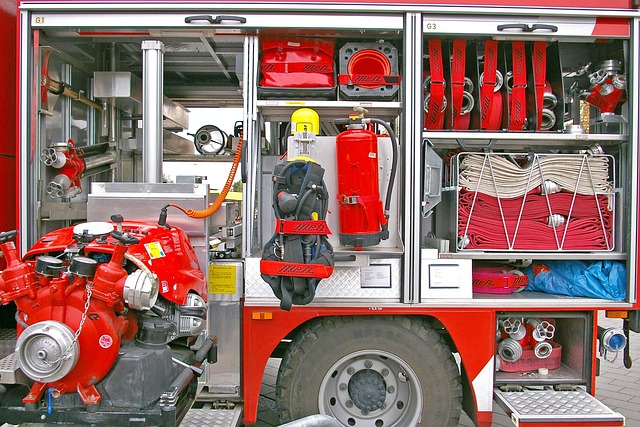
Commercial Fire Restoration Denver focuses on safety, damage assessment, and air quality restoration. Experts identify hazards, inspect water/smoke damage, electrical systems, and potential ignition sources. Compliance with fire safety regulations, especially in schools and churches, is crucial. Documentation, system updates, and collaboration with authorities ensure effective recovery. Advanced HEPA filters, ventilation, and decontamination techniques cleanse the air, mitigating health risks and preserving materials. These methods are vital for preparing buildings in densely populated areas for reoccupation, adhering to safety standards and regulatory requirements.
Air quality following a fire can significantly impact public health and the environment, particularly in urban areas like Denver. Commercial Fire Restoration Denver specialists often encounter challenges related to hazardous smoke residues and toxic gases, which require specialized knowledge and equipment to mitigate. This article delves into practical strategies for enhancing air quality after a blaze, focusing on effective decontamination methods, source removal, and restoration techniques. By exploring these solutions, we aim to empower businesses and residents with the tools necessary to ensure safe and healthy environments post-fire, emphasizing the expertise offered by Commercial Fire Restoration Denver professionals.
- Assessing Damage & Safety After Fire
- Containment & Prevention Strategies for Commercial Spaces
- Restoring Air Quality: Expert Tips & Techniques
- Long-Term Solutions for Denver Commercial Fire Restoration
Assessing Damage & Safety After Fire

After a fire, assessing damage and ensuring safety is paramount. This initial step serves as the foundation for effective Commercial Fire Restoration Denver, especially in critical facilities like churches and schools. The process involves a meticulous inspection to identify hazardous materials, structural integrity issues, and potential health risks. For instance, smoke and flame damage can leave behind toxic residues requiring specialized cleaning.
Expert evaluators in Commercial Building Fire Restoration Denver recommend a comprehensive approach. This includes assessing the extent of water damage from firefighting efforts, as water can exacerbate existing problems like mold growth. They also scrutinize electrical systems for potential hazards, ensuring fire-damaged wiring is replaced or repaired to meet safety standards. In Denver, CO, where natural disasters can contribute to fire risks, incorporating fire-safe construction practices is vital. This involves using materials and designs that resist ignition and spread of flames.
During this critical phase, collaborating with local authorities and insurance adjusters is essential for a smooth restoration process. Property owners should document all damage, keep records of repairs, and ensure compliance with Denver fire safety regulations, especially for commercial buildings. For example, schools and churches may need to update fire suppression systems or implement stricter evacuation protocols as part of their post-fire recovery plans. By prioritizing these steps, Commercial Fire Restoration Denver professionals can effectively mitigate risks, restore properties, and help communities recover after a devastating fire.
Containment & Prevention Strategies for Commercial Spaces
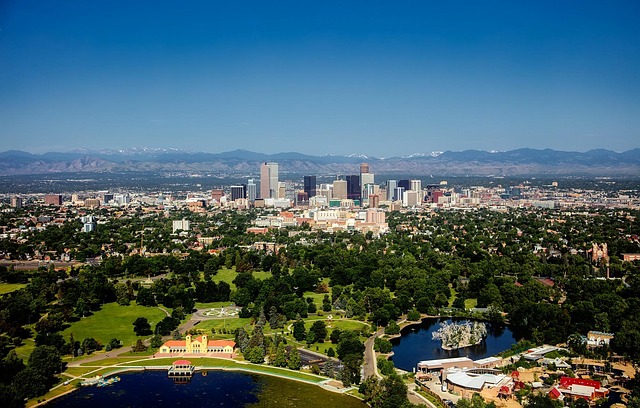
After a fire, maintaining and improving air quality in commercial spaces is paramount for both public health and business continuity. Commercial Fire Restoration Denver requires a multifaceted approach that combines containment strategies, prevention measures, and efficient emergency fire cleanup services. Professional fire cleanup in Denver is not just about removing physical debris; it involves mitigating harmful gases, smoke, and particulate matter that can persist long after the flames are extinguished.
One of the primary steps in commercial property fire rehab is containing the damage. This includes isolating affected areas to prevent the spread of contaminants and ensuring proper ventilation to reduce volatile organic compounds (VOCs) and other toxic substances. Denver emergency fire cleanup services often employ specialized equipment like air scrubbers, HEPA filters, and negative pressure systems to clear the air effectively. For instance, studies have shown that proper ventilation and air purification can significantly reduce the risk of respiratory issues among occupants, a common concern post-fire.
Prevention strategies are equally crucial for long-term air quality management. Regular maintenance checks, such as inspecting HVAC systems and ensuring smoke detectors are up to date, can detect potential fire hazards early on. Additionally, implementing robust fire safety protocols tailored to Denver’s unique climate and building codes is essential. Professional fire cleanup experts in Denver recommend training staff on evacuation procedures and proper use of fire extinguishers. These proactive measures not only facilitate faster response times during emergencies but also contribute to better air quality by minimizing damage from fires that might occur.
Restoring Air Quality: Expert Tips & Techniques
After a fire, restoring air quality is a critical step in the recovery process. Commercial Fire Restoration Denver professionals emphasize the importance of implementing expert tips and techniques to ensure a safe and healthy environment. The first step involves assessing the damage and identifying potential hazards, such as toxic fumes and ash particles, which require specialized equipment and knowledge to mitigate effectively.
Fire restoration contractors near me Denver residents trust utilize advanced air purification systems, like HEPA (High-Efficiency Particulate Air) filters, to trap microscopic pollutants. These systems are crucial for removing smoke and soot residues, which can cause respiratory issues if left unchecked. Moreover, professionals in Denver best practices for fire reconstruction advocate for proper ventilation to prevent the buildup of hazardous gases and to speed up the drying process, minimizing mold growth potential.
Denver fire restoration services also consider environmental factors. Local regulations and guidelines must be strictly followed to ensure that restoration methods are eco-friendly and safe. For instance, the use of non-toxic cleaning agents and proper disposal of contaminated materials are integral parts of the reconstruction process. By adhering to these best practices, residents can have peace of mind knowing their homes are restored not only to their former state but also in a way that preserves both human health and the local environment.
Long-Term Solutions for Denver Commercial Fire Restoration

After a fire, restoring commercial properties in Denver requires strategic, long-term solutions to ensure safe, healthy, and compliant environments. Commercial Fire Restoration Denver involves more than just rebuilding; it demands meticulous planning and execution to mitigate residual risks and prevent future damage. One of the primary challenges is addressing air quality issues that persist long after the flames are extinguished. Smoke and soot from fires can leave behind harmful particles and gases, posing significant health risks to occupants and potentially damaging interior materials if not properly addressed.
Expert commercial fire restoration services in Denver employ advanced techniques such as HEPA filtering, negative pressure ventilation, and meticulous decontamination to cleanse the air and remove hazardous residues. These methods are crucial for preparing buildings for reoccupation, especially in densely populated urban areas like Denver where proper ventilation and air purification are paramount. For instance, a study by the Environmental Protection Agency (EPA) found that residential fires contribute to elevated levels of fine particulate matter in the air, increasing the risk of respiratory issues, particularly among vulnerable populations.
In addition to specialized air quality restoration, seamless integration with other critical services is essential for successful commercial building fire restoration in Denver. This includes effective sewage cleanup, as water damage from firefighting efforts can compound existing contamination and create new avenues for microbial growth. Professional commercial fire restoration companies in Denver are equipped to handle both air quality and water damage mitigation simultaneously, ensuring a thorough and coordinated response that meets stringent safety standards and regulatory requirements. By combining cutting-edge technology with proven methodologies, these experts deliver comprehensive solutions tailored to the unique needs of each Commercial Fire Restoration Denver scenario.
After a fire, restoring air quality in commercial spaces is a critical step in the Denver Commercial Fire Restoration process. This article has provided an authoritative guide to navigating this complex task, from initial safety assessments to long-term solutions. Key insights include prioritizing containment and prevention strategies, employing expert tips for restoration, and considering sustainable, tailored approaches suited to Denver’s unique needs. By delving into these aspects, property owners and managers can ensure a comprehensive recovery, creating healthier environments and minimizing potential risks associated with post-fire air quality issues. The information presented offers practical next steps for effective Commercial Fire Restoration Denver, emphasizing the importance of professional expertise and strategic planning.