
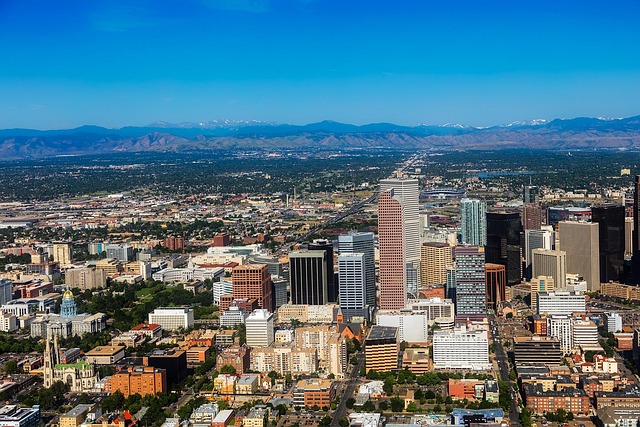
Smoke odor from fires in commercial spaces requires specialized Commercial Fire Restoration Denver (read more here) services. Key steps include containing odors with air scrubbers, neutralizing them through ozone treatment or multi-step cleaning processes, and decontaminating sensitive areas. Historic structures necessitate meticulous restoration techniques to preserve their unique characteristics while mitigating smoke damage. Choosing a reputable Denver fire restoration company with experience in commercial spaces, certifications, and historical preservation expertise ensures thorough odor removal and maintains structural integrity.
Smoke odor removal after a fire is a critical step in restoring commercial spaces to their pre-loss condition, ensuring a safe and welcoming environment for businesses and their occupants. The lingering scent of smoke can be pervasive and difficult to eliminate, affecting air quality and potentially leading to health issues if not addressed properly. In Denver, Commercial Fire Restoration experts employ advanced techniques tailored to the unique challenges posed by fire damage and smoke residue, offering comprehensive solutions that restore not just structures but also the peace of mind of affected businesses. This article delves into effective strategies for combating these odors, highlighting practical approaches that are both efficient and environmentally friendly.
- Understanding Smoke Odor: Causes and Impact
- Effective Removal Methods for Commercial Spaces
- Denver's Top Restoration Practices: A Comprehensive Guide
Understanding Smoke Odor: Causes and Impact

Smoke odor, a lingering remnant of a fire, is a complex issue that requires more than just air fresheners to solve. Understanding the causes and impacts of smoke odor is crucial in the pursuit of effective solutions, especially in commercial settings like Denver Fire Damage Restoration experts near me are often called upon to navigate these challenges.
Smoke contains a myriad of chemicals, including volatile organic compounds (VOCs), which can adhere to surfaces, fabrics, and even structural components of buildings. The severity of odor and its persistence depend on various factors such as the type of fuel burned, the intensity and duration of the fire, and the ventilation in the affected area. For instance, a kitchen fire involving grease or gas will produce distinct odors compared to a wood-burning structure. In addition, moisture levels play a significant role; smoke odor tends to be more concentrated and long-lasting in dry environments, making proper humidity control essential during the restoration process.
The impact of smoke odor extends beyond an unpleasant sensory experience. It can lead to psychological distress for occupants and even affect indoor air quality (IAQ), potentially causing respiratory issues over time. This is particularly concerning in commercial spaces where people spend a significant amount of time, such as offices or schools. Denver-based Sewage Cleanup Denver and restoration companies like ARC Restoration emphasize the importance of thorough decontamination and odor removal to ensure a safe and healthy environment. Professional fire restoration experts employ advanced techniques, including air purification systems, odour neutralizers, and specialized cleaning methods tailored to different surfaces, to address this multifaceted problem effectively.
Effective Removal Methods for Commercial Spaces
Smoke odor from a fire can permeate commercial spaces, leaving behind a persistent and unpleasant remnant. Effective removal demands professional intervention, especially in large or historically significant buildings. Commercial Fire Restoration Denver offers specialized solutions tailored to mitigate smoke damage, ensuring these spaces return to their former glory. One of the primary steps is containing and removing sources of the odor. This involves setting up air scrubbers and negative-pressure zones to prevent odor spread and capture airborne contaminants.
Professional fire cleanup Denver experts employ advanced techniques like ozone treatment, which oxidizes and neutralizes odors at a molecular level. However, this method requires careful application due to potential health concerns. Enlisting the help of experienced contractors who understand local regulations is crucial for safe and effective cleaning. For instance, in cases where smoke has seeped into architectural materials or furnishings, deep cleaning and replacement may be necessary. Fire restoration contractors near me Denver often recommend a multi-step process involving surface cleaning, decontaminating affected areas, and using odor neutralizers to address the root causes of the smell.
Moreover, addressing smoke damage in commercial spaces necessitates meticulous attention to detail, especially when dealing with sensitive equipment or irreplaceable artifacts. Crime Scene Cleanup Denver professionals use specialized equipment and knowledge to restore these environments without causing further harm. They employ strategies such as thermal decontamination, which involves heating affected areas to speed up the degradation of organic compounds responsible for the odor. By combining advanced technology with traditional cleaning methods, these experts ensure comprehensive smoke odor removal, revitalizing commercial spaces and restoring peace of mind for businesses impacted by fires.
Denver's Top Restoration Practices: A Comprehensive Guide

The aftermath of a fire can leave behind a lingering smoke odor that permeates every corner of a building—a challenge particularly evident in Denver’s historic structures, including churches and schools. Effective smoke odor removal requires specialized knowledge and equipment, making Commercial Fire Restoration Denver a crucial service for property owners. This comprehensive guide explores top restoration practices to ensure the safest and most thorough recovery for affected facilities.
Denver fire restoration for churches and schools demands an understanding of the unique complexities inherent in these structures. Organic materials, intricate architectural details, and cultural significance necessitate meticulous care during restoration. Reputable Denver fire restoration companies employ advanced techniques like air purification systems and odor neutralizers to address smoke damage effectively. For instance, a study by the National Fire Protection Association (NFPA) revealed that professional restoration can reduce residual odors by up to 90%, significantly enhancing indoor air quality.
Choosing the right restorer is paramount for successful recovery. Property owners in Denver should consider companies with extensive experience in commercial fire restoration, particularly those specializing in churches and schools. Referrals from peers or local authorities can provide valuable insights. Additionally, verifying certifications and affiliations with reputable organizations ensures the restorer adheres to industry standards. By engaging the best Denver fire restoration companies, building owners can expect a thorough assessment, customized solutions, and expert guidance throughout the restoration process.
During the selection process, ask prospective restorers about their methods for smoke odor removal. Reputable firms will emphasize the importance of decontaminating air ducts, removing porous materials, and employing advanced technologies to eliminate odors at their source. A well-planned restoration strategy should also include regular communication, clear project timelines, and a commitment to preserving the building’s historical integrity—all essential aspects for Denver fire restoration that ensure the highest quality outcomes for churches, schools, and other commercial properties.
Smoke odor removal after a fire is a complex yet manageable process, as highlighted by this comprehensive guide. Key insights emphasize the multifaceted nature of smoke odor, stemming from various compounds and impacting air quality, surfaces, and structures. For commercial spaces, effective removal methods include source elimination, air filtration, and advanced technology like ozone treatment. Denver’s top restoration practices stress the importance of professional intervention, leveraging specialized equipment and expertise to restore environments to their pre-fire condition. The article underscores that Commercial Fire Restoration Denver is not just about rebuilding but also about revitalizing air quality and removing persistent odors. By understanding the causes and adopting proven methods, property owners and managers can navigate this challenging process with confidence, ensuring a swift return to normal operations.